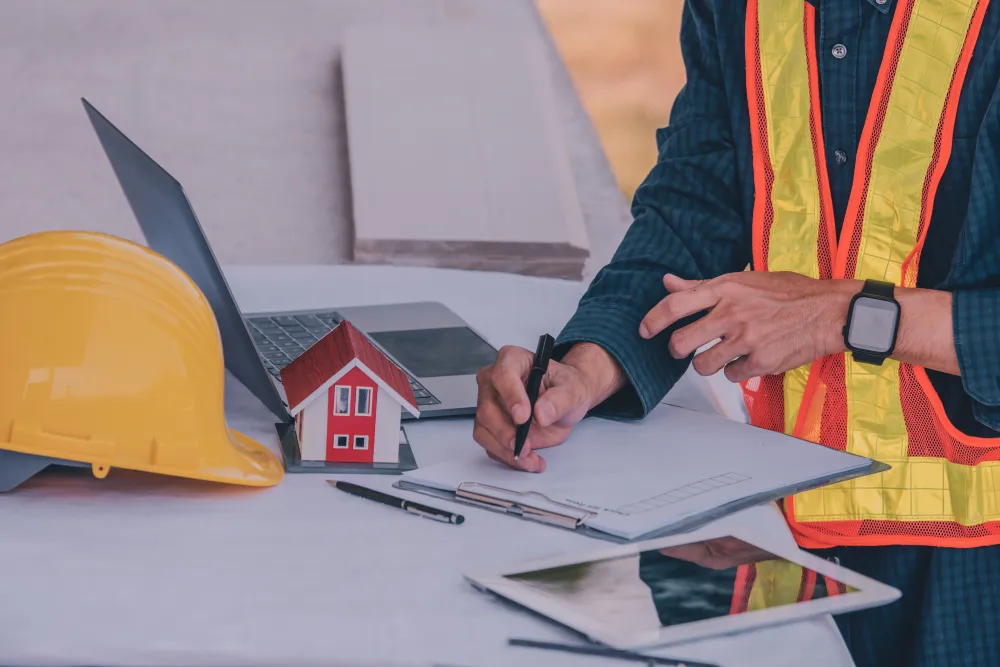
Builder insurance is one of those things in construction that usually gets ignored in the beginning because everything looks fine on paper, the plan is set, the team is ready, and work has started smoothly.
But construction doesn’t stay smooth all the time.
One unexpected storm can hit the site. Materials can get damaged overnight. Tools can disappear. An accident can stop work for days. And suddenly, what looked like a controlled project turns into a costly situation.
That is exactly the point where builder stops being “just paperwork” and starts becoming something that actually saves the project.
It is protection that quietly sits in the background and covers the financial damage when things don’t go as planned.
What Builder Insurance Really Means
It is basically a safety net for anything under construction.
Nothing complicated. Nothing technical.
It simply means this:
If something gets damaged while a building is being built, someone doesn’t have to carry the entire cost alone.
That’s it.
This is also why people search what is builders risk insurance, because that’s the official name used in policies, but in real life, it just means protection for the building while it is still in progress.
So when a project is ongoing, builder usually steps in for things like:
- A structure still being built
- Materials sitting on site like cement, steel, wood
- Tools and machinery used daily
- Damage from fire, storms, or accidents
So instead of the project stopping completely, it can actually recover and continue.

Why Insurance Matters So Much in Real Construction Work
Anyone who has spent time around construction knows one simple truth:
No matter how well things are planned, something always goes off track.
That’s just how sites work.
And when it goes off track, it usually costs money.
Here’s what actually happens on real sites:
- A storm hits at night and damages half-finished work
- Materials disappear before they are even installed
- Water leaks ruin electrical or structural work
- An accident stops work and delays the entire timeline
Now imagine paying for all of that without any support.
That is where insurance becomes important. It is not about avoiding problems, it is about making sure problems don’t destroy the entire budget.
In larger projects like commercial builders insurance, even a small issue can turn into a very big financial setback.
What Insurance Actually Covers (Real Site Understanding)
When people ask what does builders risk insurance cover, they are usually not looking for textbook answers. They want to know what actually gets protected when something goes wrong.
So here is how it works in real life:
The Building Under Construction
If the building itself gets damaged, whether partially or fully, insurance helps cover the repair or rebuild cost.
This includes situations like:
- Structural damage during construction
- Fire damage
- Collapse due to unexpected events
Basically, if the structure gets hit, it is covered.
Materials and Supplies on Site or in Transit
Construction materials are expensive, and they are constantly exposed to risk.
So builder insurance usually protects:
- Cement, steel, bricks, wood
- Materials stored on-site
- Items being transported to the site
So even if something gets lost before it is used, the project doesn’t take the full hit.
Tools and Machinery
No tools, no construction.
Simple as that.
So coverage often includes:
- Heavy machinery
- On-site tools
- Equipment used for daily work
If something happens to them, replacement doesn’t come entirely from pocket.
Weather and Unexpected Events
This is where builders risk insurance coverages become very important.
Because real life is unpredictable:
- Storm damage
- Fire incidents
- Strong winds or hail
- Certain water-related damage
This is also why people refer to builders all risk insurance, because it feels broader and more flexible in coverage.
Builder Insurance vs General Liability
This is where most confusion happens.
So here is the easiest way to understand it:
- builder insurance = protects the project itself (building + materials)
- builders general liability insurance = protects other people and their property
So if the building gets damaged, builder handles it.
If someone gets injured or nearby property is affected, liability insurance handles it.
Most real projects use both together because they cover different sides of risk.
Builder Insurance Cost
When people search builders risk insurance cost, they expect one fixed number.
But construction doesn’t work like that.
Cost depends on:
- Size of the project
- Total construction value
- Location and risk level
- Type of building
- How long the project runs
So instead of a fixed price, insurance is usually calculated as a percentage of the project cost.
Bigger project = higher cost
Smaller project = lower cost
Simple logic.
Who Actually Needs Builder Insurance
This is where many people get surprised.
Because it is not only for big companies.
In real construction work, insurance is used by:
- Homeowners building a house
- Contractors doing renovations
- Developers managing projects
- Commercial construction companies
- Subcontractors on job sites
Even small projects can face losses that are expensive enough to cause delays.
That is why builders risk insurance for homeowner coverage is also common.
What Happens If Insurance Is Not There
This is where things get serious.
Without insurance, every problem becomes a direct expense:
- Storm damage = full repair cost
- Theft = full replacement cost
- Accident = delay + extra money
- Material loss = budget increase
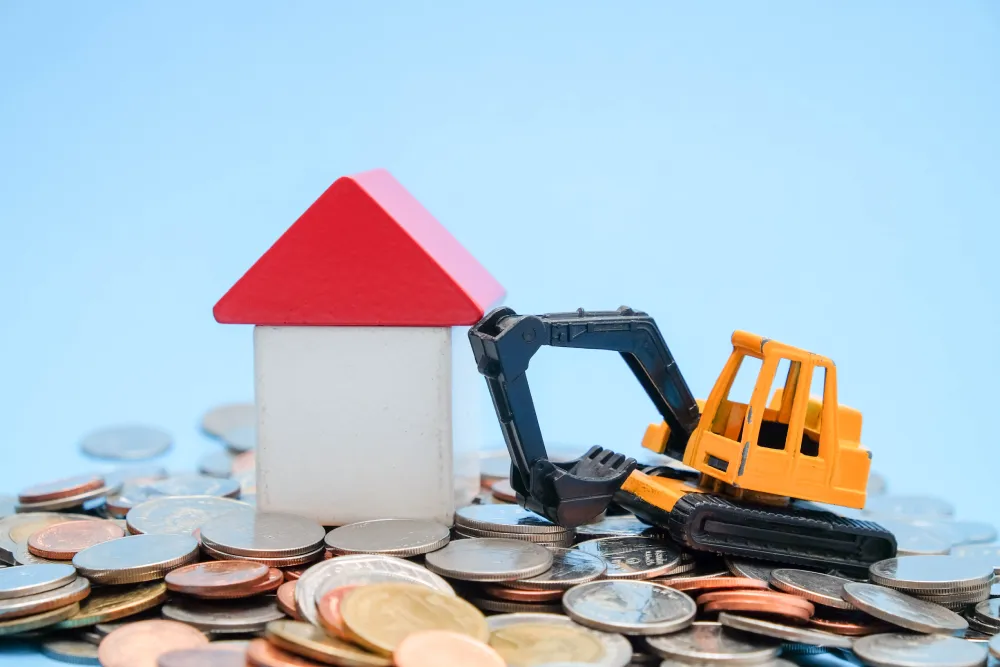
And once costs start piling up, projects either slow down or stop completely because funding runs out.
Real Benefits of Insurance
When insurance is in place, the whole project feels more stable.
Not perfect… but controlled.
Here’s what it really does:
- Protects money already invested
- Keeps construction moving after damage
- Reduces financial pressure during delays
- Helps avoid sudden cost shocks
- Builds confidence for everyone involved
That is why builders risk policy is used as a standard in most serious construction setups.
Choosing the Right Builder Insurance
This is not about picking the cheapest plan.
That usually backfires later.
Instead, it comes down to asking:
- What is actually covered?
- Are materials included or not?
- Does it cover transport?
- How strong are builders risk insurance coverages?
- How fast are claims processed?
A good builder insurance plan is the one that actually matches what can go wrong on site, not just what looks good on paper.
Conclusion:
Construction is always a mix of planning and unpredictability. Even the best-managed sites face unexpected problems. And when those problems show up, costs can rise very quickly. That is exactly why builder insurance exists.
Frequently Asked Questions
Why do people usually get insurance even before construction actually starts on a project site?
Because risk starts from day one. Materials are already on site or being delivered, and work begins immediately, so insurance ensures any early damage or loss is already covered without affecting the project budget.
What real-life situations are normally covered under builders risk insurance coverages?
It usually includes storm damage, fire, theft of materials, water damage, and accidental structural damage. These are common situations that can easily delay or increase construction costs.
How is builders general liability insurance different from insurance in construction situations?
Builder insurance protects the building and materials under construction, while general liability insurance protects other people or property if something goes wrong during the work.
What actually affects builders risk insurance cost?
Cost depends on project size, total value, location, construction type, and duration. Bigger and more complex projects usually cost more because the risk is higher.
Does insurance cover materials that are not yet installed or still being moved to the construction site?
In many cases yes, but it depends on the policy. Some plans include transit coverage while others only cover materials once they reach the site.
Why do commercial projects usually need more detailed builders insurance services compared to residential projects?
Because commercial projects are larger, involve more money, more workers, and higher risk, so insurance needs to cover more complex situations.
What are the most common risks that insurance protects against during construction work?
It protects against fire, storms, theft, equipment damage, and unexpected accidents that can happen while construction is ongoing.
Why do insurance providers offer different builders insurance services instead of one fixed option for every project?
Because every project is different in size, risk, and location, so insurance needs to be flexible enough to match each situation properly.
What usually happens if construction continues without builder insurance from the beginning?
If there is no insurance, any damage or loss must be paid directly by the builder or owner, which can increase costs quickly and sometimes even stop the project completely if funds run out.