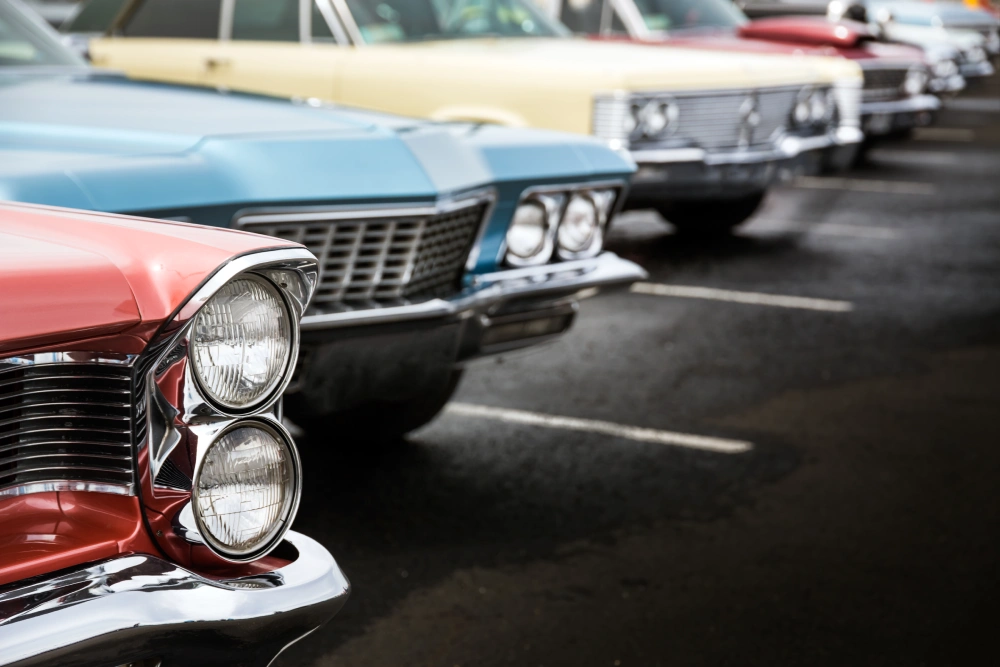
Here is the thing about classic car insurance. It is not like regular auto insurance. The car you cherish is not a depreciating asset. In many cases, it is actually gaining value over time.
A regular auto policy treats your restored classic like a daily driver. It pays out the actual cash value, which means depreciation is factored in. If you have a classic worth $40,000, a standard policy might only pay out $8,000 if it is totaled. That is a disaster.
Classic vehicle insurance is built differently. It is designed for old car insurance that is well-maintained, not used daily, and often increases in value. It gives you coverage that actually reflects what your car is worth.
What Makes a Car a Classic?
Here is the first thing to get straight. There is no universal rule. Every insurer has a different definition.
Some insurers start considering cars “classic” around 20 years old . The DVLA in the UK defines a classic as at least 40 years old. Hagerty does not have a strict age rule but looks at how the car is used .
Key factors of auto insurance quotes for classic cars look for:
– The car is not your daily driver
– It is stored securely, preferably in a garage
– It is driven for leisure, shows, and events, not commuting
– It is well-maintained and cherished by an enthusiast
A 2001 Ford Focus, despite its age, is very unlikely to qualify for a specialist scheme. A 2004 BMW Z4 might, because it stands out for its performance or design.
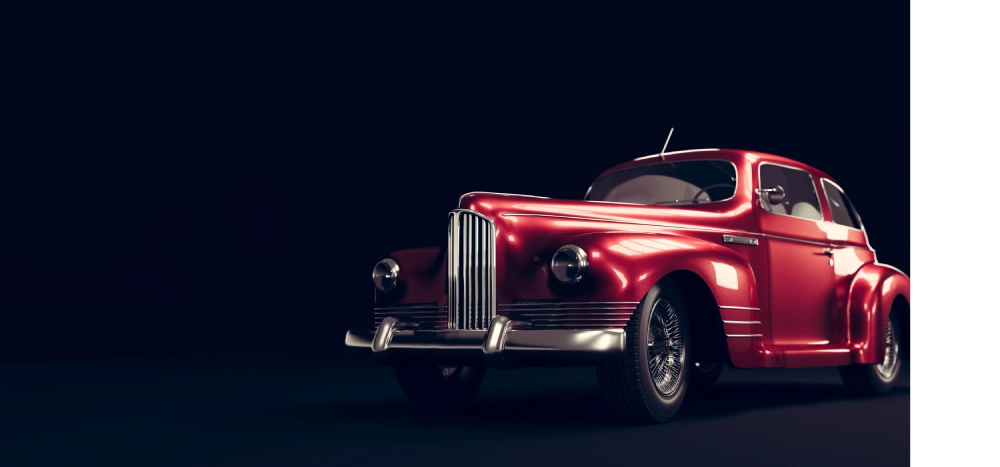
How Classic Vehicle Insurance Works
Classic vehicle insurance works like a standard auto policy but with key differences tailored to how classic cars are used. Policies are typically based on limited annual mileage, specialist use, secure storage, and enthusiast ownership..
The most important feature is agreed value car insurance.
Agreed Value vs. Stated Value: The Big Difference
This is where you need to pay attention on classic car insurance cost and requirements:
- Agreed Value: You and the insurance company agree on the car’s value upfront. If it is written off or stolen, you are paid that full agreed amount. There is no haggling about depreciation. This is the option you want. At Heritage, agreed value is included as standard at no extra cost.
- Stated Value: You state what your car is worth. But in a total loss, the insurance company can choose to pay you either the Stated Value or the Actual Cash Value, whichever is less. You could be in for a nasty surprise.
Do not get caught out by a stated value policy. Agreed value is the only way to protect your investment.
Classic Car Insurance Costs
One of the biggest misconceptions is that classic car auto insurance is expensive. It is often cheaper than standard car insurance. This is because classic cars are driven less, stored securely, and carefully maintained by collector car insurance companies.
Average classic car insurance costs:
A Heritage report found the average annual premium for classic car insurance stands at £123. In the US, agreed-value classic car insurance typically runs between $200 to $600 annually, depending on the vehicle’s worth and how often you drive it.
What affects the cost:
- Make and model: A Jaguar owner might pay an average of £186, while a Triumph owner pays £86, reflecting the difference in vehicle value.
- Driver age: Younger drivers (born in the 1990s) pay higher premiums, averaging £215 annually, compared to older, more experienced drivers.
- Vehicle age: Interesting, vehicles over a century old have the lowest premiums, averaging £69.
- Postcode: Urban areas with higher theft and accident rates can push your premium higher.
Key Coverage Options
An insurance for historic cars and classic car policy can be tailored to your needs:
Comprehensive cover. This is the most complete protection. It covers accidental damage, third-party liability, theft, fire, and usually includes agreed value.
Laid-up cover. If your classic is off the road, in storage, or being restored, laid-up cover protects it against fire, theft, and accidental damage without road use. You can switch to full cover once it is back on the road.
Eligibility and Requirements
Every insurer has its own criteria, but here are the common requirements to get classic vehicle insurance:
- Usage: The car cannot be your daily vehicle
- Storage: It must be stored in a secure structure like a private garage
- Driver: In most states, drivers must be at least 25 years old with a clean driving record
- Regular vehicle: You must own and insure a separate car for daily transportation needs
Practical Tips for Getting the Best Cover
Always choose agreed value. This ensures you are paid what your car is truly worth. Be realistic with your mileage. Underestimating can lead to problems when claiming. Overestimating means you are overpaying.
Join a car club. Many insurers offer discounts for members of recognised classic car clubs. Even minor performance upgrades can affect your policy. Failure to declare them could invalidate a claim.
Comparison sites are not designed for classic cars. A specialist broker who understands classic cars can tailor cover to your needs and often find better value.
Frequently Asked Questions
How old does my car need to be for classic insurance?
There is no universal rule. Most insurers start considering cars classic from around 20 years old. However, factors like rarity, condition, and how the car is used also matter.
Is classic car insurance cheaper than standard insurance?
Yes, typically. Classic cars are driven less and are usually well-maintained and stored securely, which insurers see as lower risk.
What is the difference between agreed value and stated value?
With agreed value, you and the insurer agree on your car’s worth, and you receive that amount in a total loss. With stated value, the insurer can pay the stated value or actual cash value, whichever is less.
Can I insure a classic car if I am under 25?
Many insurers have a minimum age of 25 for classic policies. Some may offer cover for drivers 21 and over under strict terms and conditions.
Do I need a garage to get classic car insurance?
While a garage is preferred and can lower your premium, some insurers will offer cover if you store your car on a driveway or carport. Always discuss your situation with the insurer .
Does my classic car need an MOT?
In the UK, vehicles built before 1960 are generally MOT-exempt. However, classic cars built after 1960 still need a valid MOT certificate.
How are modifications handled in classic car insurance?
All modifications must be declared. Performance upgrades can affect your premium and your cover. Always disclose them to avoid problems with a claim.