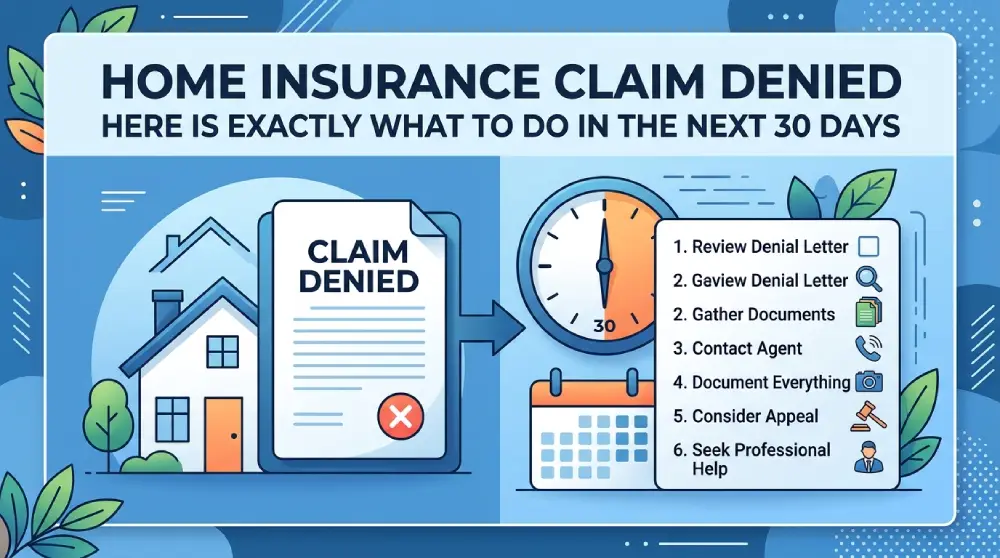
A home insurance claim denied notice can be stressful, especially when you need money to repair damage to your home. However, a denial does not always mean the decision is final. You may be able to challenge it by reviewing your policy, gathering evidence, and following the insurer’s appeal process.
The next 30 days are a good time to organize your documents and understand your options. Acting promptly can help you avoid missed deadlines and build a stronger case.
If you are wondering why would insurance deny a claim, start by reading the denial letter. It should explain the insurer’s reasoning and identify relevant policy provisions.
What to Do When Your Home Insurance Claim Is Denied
Days 1–5: Read the Denial Letter Carefully
If your homeowners insurance claim denied notice has arrived, read it from beginning to end. Identify the stated reason for the decision and note any policy exclusions, coverage limits, or missing documents mentioned.
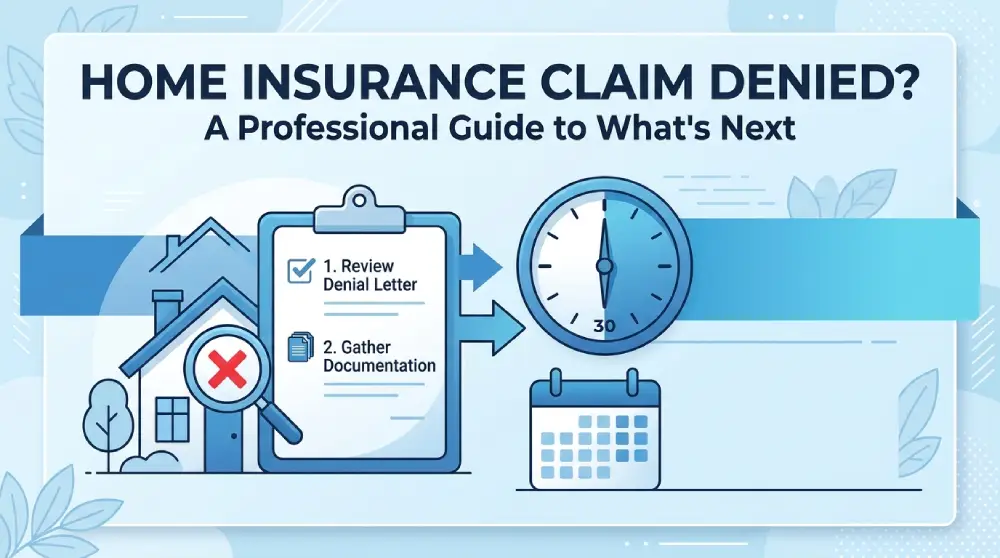
Compare the explanation with your policy’s declarations page and coverage sections. If the reason is unclear, ask the insurer to explain the decision in writing and identify the exact policy language it relied on.
Days 6–10: Gather Evidence
Collect documents that support your claim. These may include:
- Photos and videos of the damage.
- Repair estimates and contractor invoices.
- Receipts for damaged belongings or temporary repairs.
- Inspection reports and relevant maintenance records.
- Emails, letters, and notes from conversations with the insurer.
If the insurer says the damage existed before the incident, look for dated photographs or inspection records that show the property’s earlier condition.
Keep copies of everything you submit. Clear documentation can help address disputes about the cause, extent, or cost of the damage.
Days 11–15: Request a Review
Once you understand the reason for the home insurance claim denied decision, contact the claims adjuster or insurer’s claims department. Explain why you believe the decision should be reconsidered and provide the supporting evidence.
Ask whether additional documentation, another inspection, or a review by a different adjuster is possible. Keep your communication professional and factual. Avoid relying only on verbal conversations; request written confirmation of important decisions.
Days 16–20: File a Formal Appeal
If the insurer does not change its decision, ask about its formal appeal or complaint process. Your letter should include your claim number, the date of the denial, the reason you disagree, and the evidence supporting your position.
Explain how the policy language applies to the damage. If you need more technical support, consider an independent contractor or qualified professional who can assess the cause and repair costs.
Check your policy and denial letter for appeal deadlines. Do not assume you have 30 days to appeal; the applicable deadline may be shorter or longer.
Days 21–30: Explore Further Options
If your appeal is unsuccessful or the insurer does not respond, consider your next steps. Depending on your location and circumstances, these may include:
- Filing a complaint with your state insurance department.
- Consulting a licensed public adjuster.
- Seeking advice from an attorney experienced in property insurance disputes.
- Reviewing whether mediation or another dispute-resolution process is available.
If you are dealing with a property insurance claim denied in California, the California Department of Insurance can explain consumer complaint options. Other states have their own insurance regulators and procedures.
How to Dispute a Home Insurance Claim Successfully
To dispute home insurance claim decisions effectively, focus on the specific reason for the denial rather than simply stating that you disagree. For example, if the insurer says the damage resulted from poor maintenance, provide inspection reports, dated photos, or an expert assessment that addresses that conclusion.
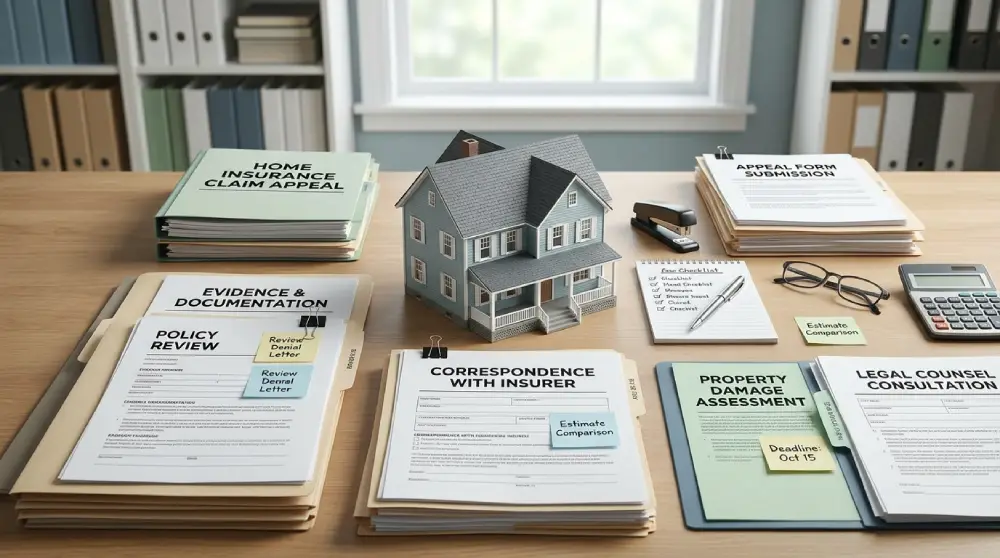
When a denied property insurance coverage decision involves a complicated loss or substantial repair costs, professional advice may help you understand the available options. Keep records of all submissions, responses, and deadlines throughout the process.
When a home insurance claim denied decision stands, you may need to pay for repairs yourself unless another source of coverage applies.
Conclusion:
A home insurance claim denied decision deserves careful review before you give up on the claim. Start by understanding the insurer’s reasoning, collecting evidence, and requesting a written review. If the decision remains disputed, explore formal appeals and regulatory or legal options.
Frequently Asked Questions
Can I appeal a denied home insurance claim?
Yes. Many insurers have internal review or appeal procedures. Check your denial letter and policy for instructions and deadlines, and submit evidence supporting your position.
Why was my home insurance claim denied in California?
Possible reasons include excluded damage, insufficient documentation, late reporting, or policy limits. Review the denial letter and contact the California Department of Insurance if you need help understanding your options.
Should I accept the insurer’s first decision?
Not necessarily. If you believe the decision is incorrect, request a written explanation, review the policy, and provide relevant evidence. The outcome will depend on the policy and facts.
Can missing documents cause a claim denial?
Yes. Insurers may need photographs, receipts, repair estimates, or other evidence to verify the loss. Ask what is missing and whether you can submit additional documentation.
Should I hire a public adjuster?
A public adjuster may help assess damage, organize documentation, and negotiate with the insurer. Review their fees, qualifications, and licensing requirements before hiring one.
What if the insurer does not respond to my appeal?
Follow up in writing and keep a record of your communication. You can also ask your state insurance department about complaint procedures and applicable response requirements.
Can an insurer deny a claim because of poor maintenance?
It may deny damage that falls under a maintenance-related exclusion or results from a condition not covered by the policy. The insurer’s reasoning and policy wording matter.
Does a denied claim mean I cannot get insurance again?
Not automatically. A denied claim does not necessarily prevent you from obtaining future coverage, although insurers may consider claims history when evaluating applications.
Can I challenge a claim denial after 30 days?
Possibly. The applicable deadline depends on your policy, the type of dispute, and state law. Review the relevant documents promptly and seek legal advice if you are unsure.
When should I contact a lawyer about a denied claim?
Consider legal advice when the disputed amount is significant, the policy wording is complicated, the insurer may have mishandled the claim, or you are approaching a legal deadline.